
Radio Controls
Industrial radio remote controls for cranes and machinery
Radio control moves the operator out from under the load and shortens cycle time. Arvanta develops North American channels for radio control manufacturers — handling certification questions, technical selection and the distributor channel that installs and services them.

Product types
What gets specified, and where
The right transmitter format depends on motions, duty cycle and whether the operator is also rigging the load.
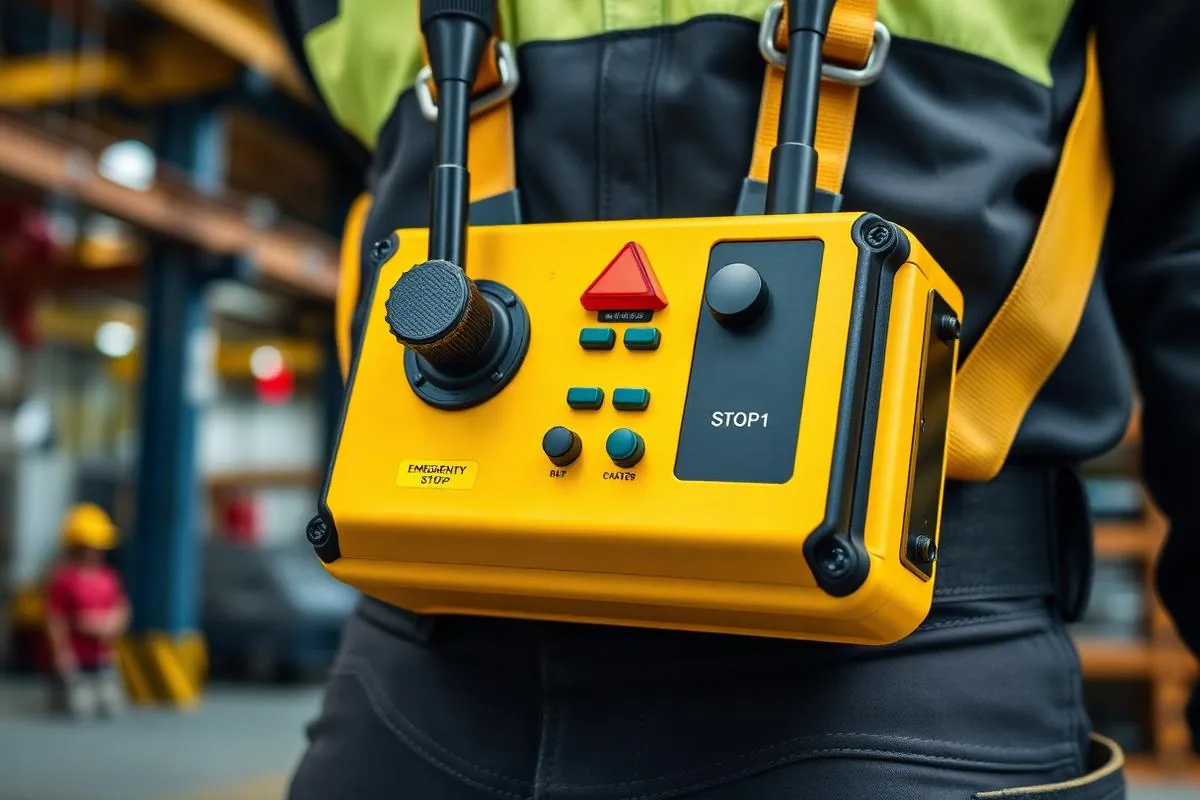
Belly-box transmitters
Multi-axis joysticks or stepped levers for cranes with several motions, proportional VFD control and long operating shifts. Harness-mounted so both hands stay on the controls.
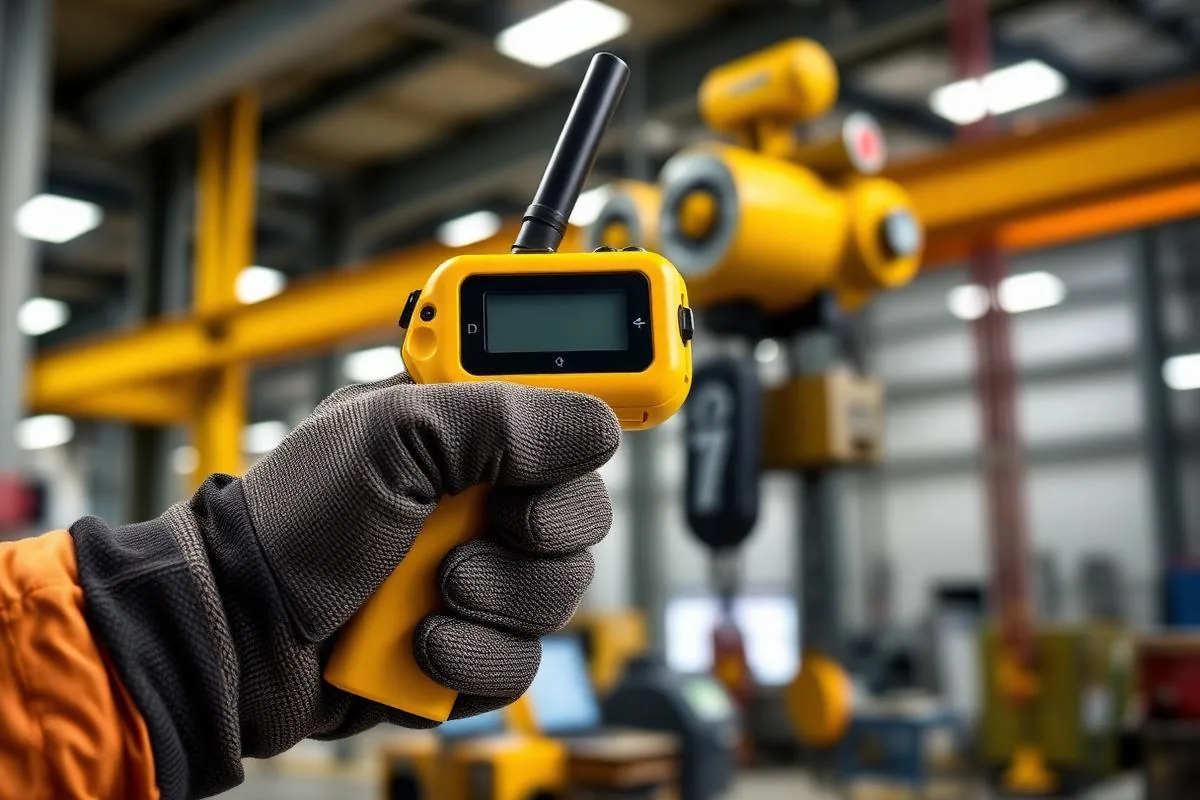
Pistol-grip transmitters
Light single-hand units for hoists and single-motion duty where the operator is also rigging. Fast to hand off between operators on shared equipment.
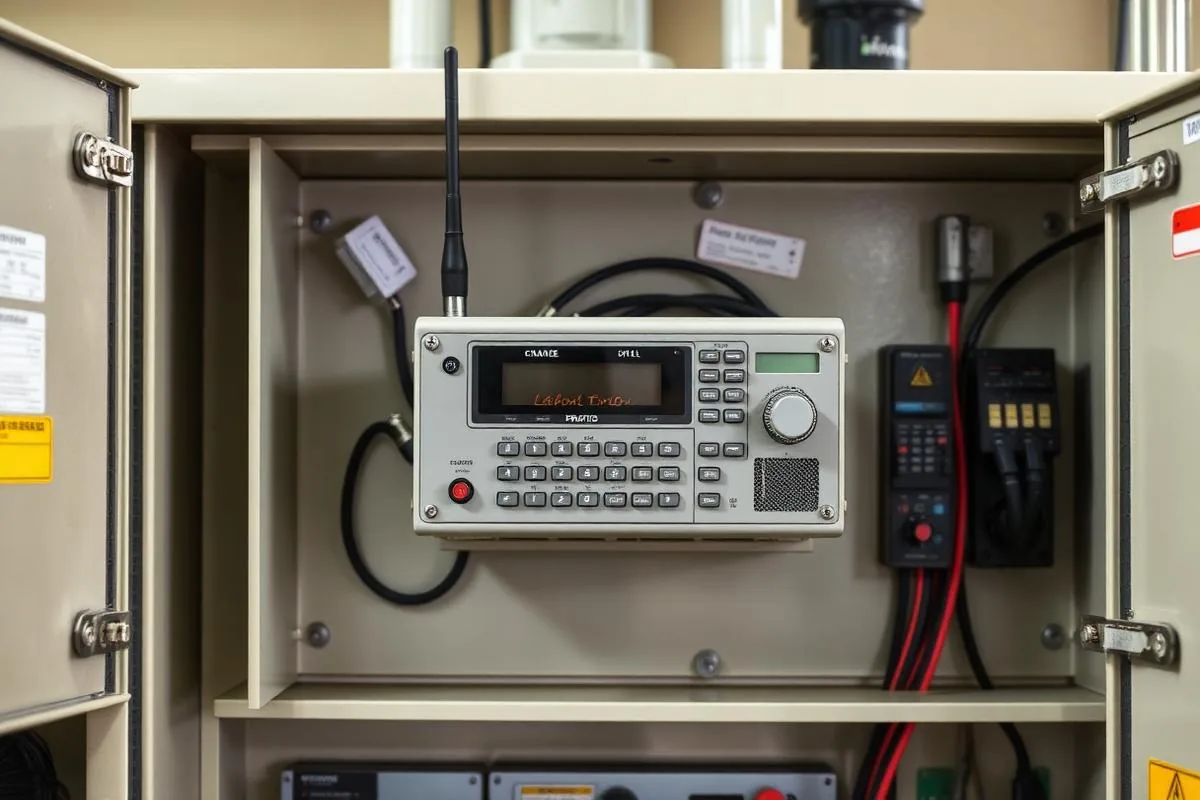
Receivers and interfaces
Relay-output or serial/bus receivers that drop into an existing control panel, with pendant/radio selector so hard-wired backup control stays available.
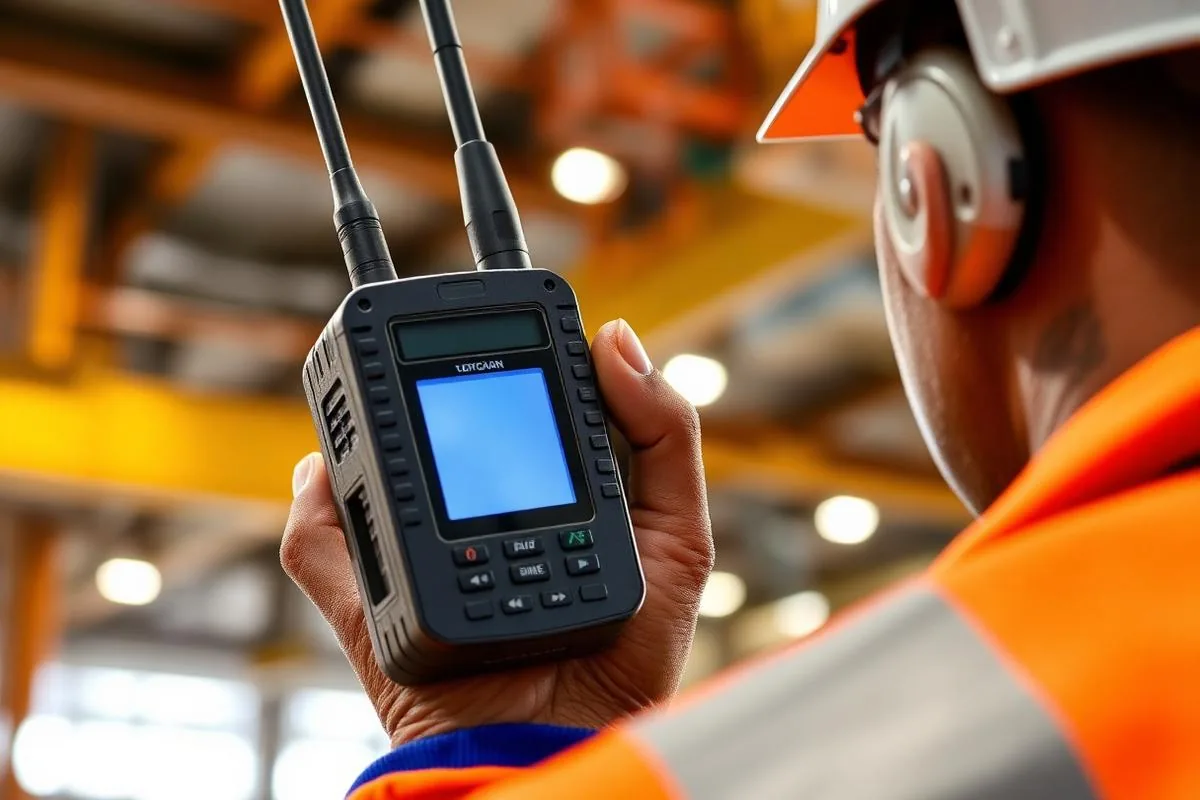
Feedback and telemetry
Transmitter displays returning load weight, fault codes, hour meters and battery state, so diagnostics happen at the operator's hand rather than up a ladder.
Load monitoring
Load monitors as a feature option
Load monitoring is a commonly requested radio-system option in North America. Weight, overload and duty data can be read at the transmitter, shown on a floor display and logged for inspection records — without a separate control retrofit.
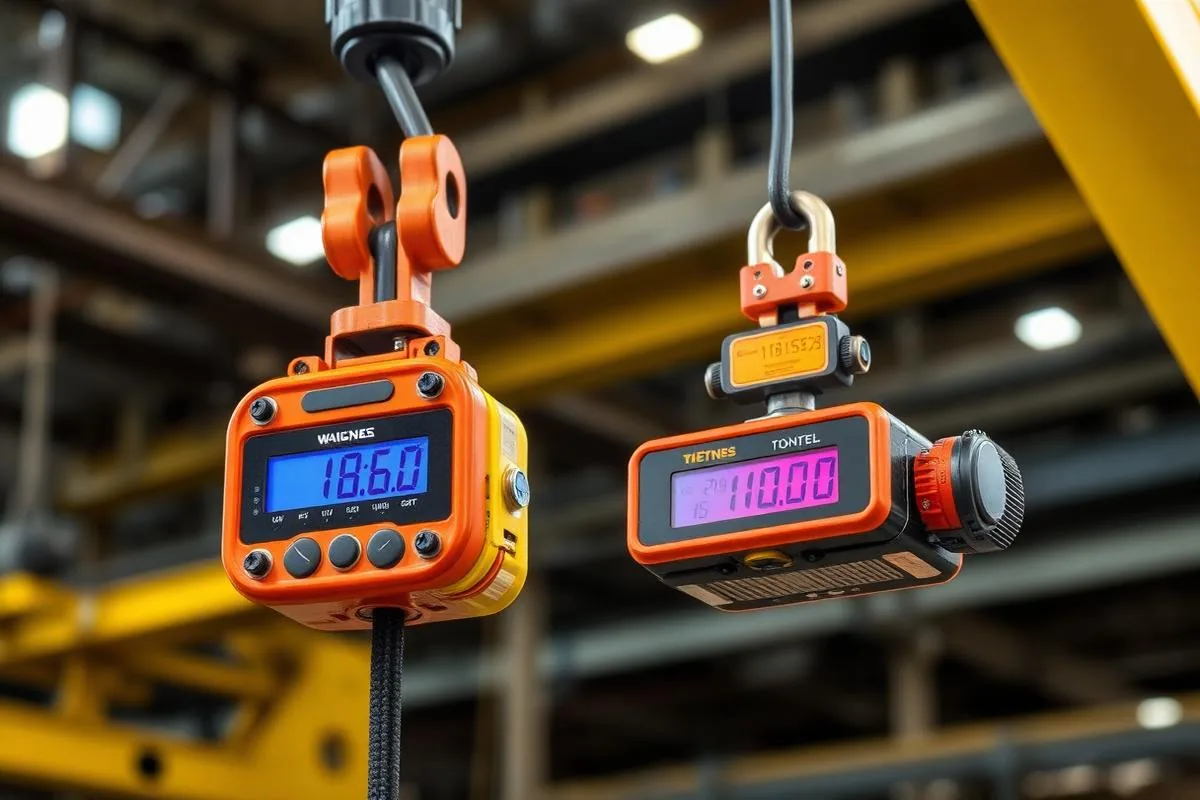
- Load pin, shackle or rope-tension sensors reporting live weight to the transmitter display
- Overload cut-out that blocks hoist-up above the rated capacity
- Snag and shock-load detection to protect the rope, drum and structure
- Two-block and slack-rope warning on multi-fall arrangements
- Tandem-lift share monitoring so neither crane is quietly overloaded
- Data logging of lift weights, overload events and duty-cycle hours
- Wireless load cells for below-the-hook devices and spreader beams
- Export of duty history for CSA B167 inspection and maintenance planning
Access control
Swipe-card access for cranes
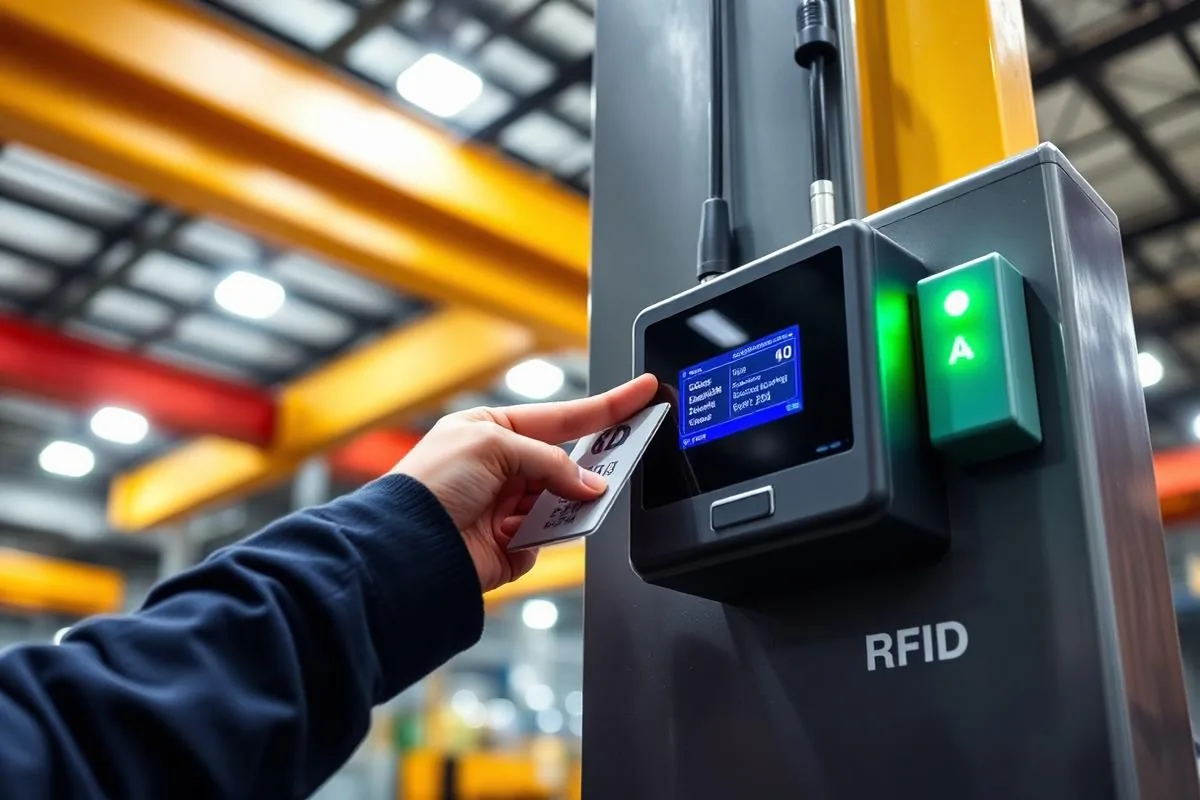
Card access turns crane operation into a permission, not a habit. The operator taps an RFID badge or fob at the transmitter or panel; only trained, authorised people can start a motion, and every lift is attributable.
- RFID / swipe-card or key-fob login before any crane motion is enabled
- Per-operator authorisation by crane, so training records match what someone can actually run
- Automatic lock-out when the badge is removed or the shift ends
- Capacity or speed limits applied per operator class — trainee versus certified
- Event log of who operated which crane, when, and with what load
- Supervisor override badge for maintenance and recovery moves
- Integration with existing plant access badges where the card format allows
- Lock-out of a crane flagged out-of-service until a maintenance badge clears it
Supply
Where these come from
RFID and operator-access functions are available from selected radio-control manufacturers and system integrators, while load monitoring is typically supplied by dedicated load-cell makers or as an integrated function of the crane drive. Arvanta works with manufacturers in these categories across North America and can match a card-access or load-monitoring package to the crane, the badge format already in the plant and the distributor who will service it.
Safety
Features North American buyers expect
- Unique paired addressing between transmitter and receiver
- Safety-rated stop circuit to the required performance level
- Automatic stop on signal loss, idle timeout or low battery
- Neutral-position start-up interlock
- Frequency hopping to resist interference in dense plants
- Sealed, impact-rated enclosures for washdown and cold storage
- Multi-crane and tandem select with clear operator indication
- Access control by key, code or badge
Canada
Certification and market realities
Regulatory, certification and documentation requirements can prevent otherwise capable products from being accepted in North America. These four issues decide whether a product can be sold here at all.
- Radio apparatus must comply with the applicable ISED Radio Standards Specifications. Category I equipment requires certification and listing in the Radio Equipment List, while applicable Category II equipment remains subject to compliance requirements without product certification.
- Control equipment needs CSA certification or a field evaluation before an inspector will sign off.
- Bilingual labelling and English service manuals are expected by most industrial buyers and required by several provinces.
- Spares and battery availability inside Canada is a routine purchasing question — plan stocking with the distributor from day one.
FAQ
Radio remote controls: common questions
- What is an industrial radio remote control?
- An industrial radio remote control replaces a hard-wired pendant with a handheld or waist-mounted transmitter and a machine-mounted receiver, letting the operator control hoist, trolley and bridge motions from the best vantage point on the floor rather than from underneath the load.
- Are radio remote controls safe for overhead cranes?
- Yes, when the system is designed for the duty. Industrial systems use unique paired addressing so one transmitter cannot drive another crane, a safety-rated stop circuit, automatic stop on signal loss or transmitter idle, and start-up interlocks that prevent motion when the controller is not at neutral.
- Belly-box or pistol-grip transmitter — which should I specify?
- Belly-box transmitters suit multi-motion cranes, variable-speed joysticks and long shifts where the operator needs two-handed proportional control. Pistol-grip units are lighter and faster for single-hook, single-speed duty and for operators who need a free hand for rigging.
- Do radio remote controls need certification in Canada?
- Radio transmitters sold or used in Canada must carry ISED (Innovation, Science and Economic Development Canada) certification with an IC number, and the associated control equipment must satisfy CSA electrical requirements. FCC-only certification is not sufficient for the Canadian market.
- Can radio control be added to an existing crane?
- In most cases yes. A receiver is mounted at the crane panel and wired into the existing control circuit, usually with a pendant/radio selector switch so the hard-wired pendant remains available as a backup. Older contactor cranes may need control-voltage or interposing-relay changes first.
- Can a load monitor be added to a radio remote control system?
- Yes. A load pin, shackle load cell or drive-based load signal can be fed to the radio system so live weight, overload warnings and duty-cycle data appear on the transmitter display and in a data log. On below-the-hook devices a wireless load cell is often the simplest route.
- How does swipe-card access control work on a crane?
- An RFID reader at the transmitter or crane panel checks the operator's badge or fob against an authorisation list before enabling motion. Unauthorised badges leave the crane locked out, permissions can be set per crane and per operator class, and every session is logged for training and incident records.
Are you a crane-technology manufacturer seeking North American representation?
Arvanta coordinates communication among the customer, channel partner and represented manufacturer. The manufacturer and qualified engineering parties remain responsible for equipment design, capacity, compliance, testing and application approval.