Crane Controls

Overhead crane control systems for Canadian plants

Control is where crane performance is won or lost. Arvanta is structured to represent manufacturers of drives, control panels, pendants and radio systems in Canada — building the distributor and integrator channel that specifies, installs and services them.

Overhead crane hook block and control cabling inside an industrial plant

Systems

What a crane control package covers

From simple contactor panels to full VFD architectures with anti-sway and load monitoring, the control package determines cycle time, operator fatigue and how long the mechanics last.

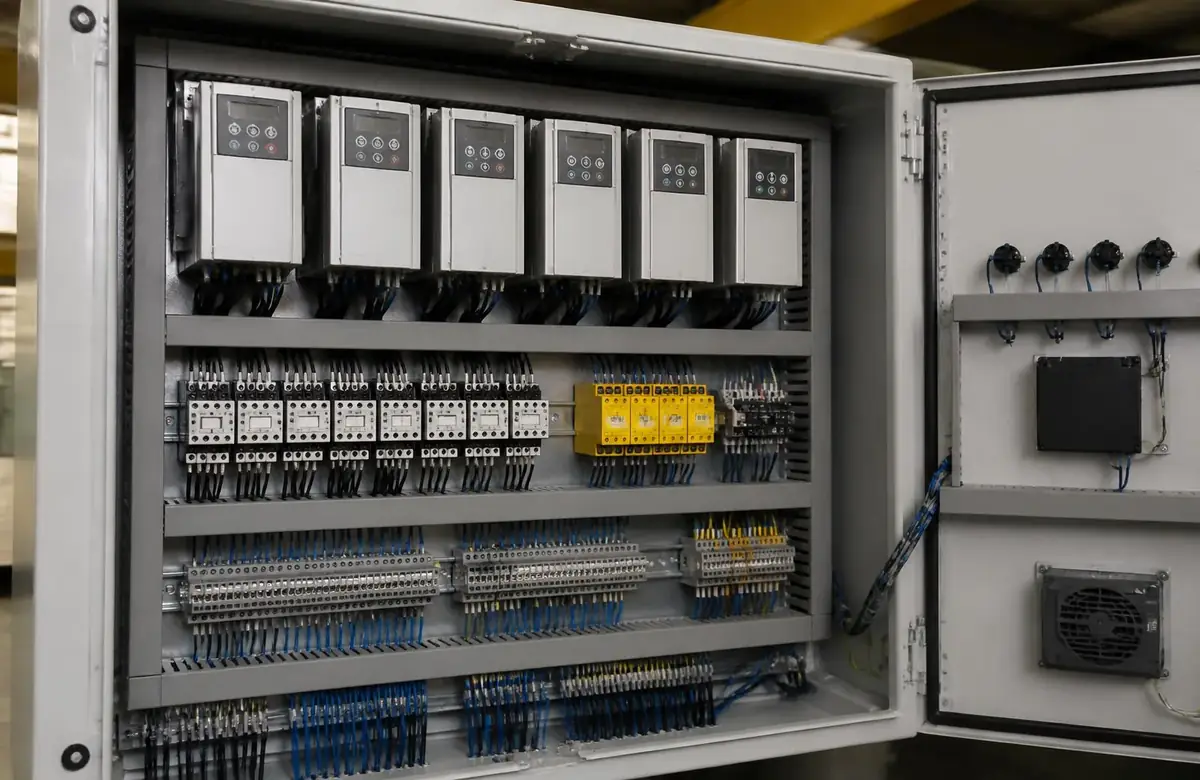
Variable frequency drives mounted inside an open crane control cabinet

VFD drive systems

Stepless hoist, trolley and bridge control with soft start and stop, reduced load swing, regenerative braking options and motor protection built in. The default choice for production-duty cranes.

Overhead crane operating on a maintenance duty cycle in a mill

Contactor and two-speed control

Simple, serviceable control for low-duty maintenance cranes and jibs where variable speed is not required and spares availability matters more than finesse.

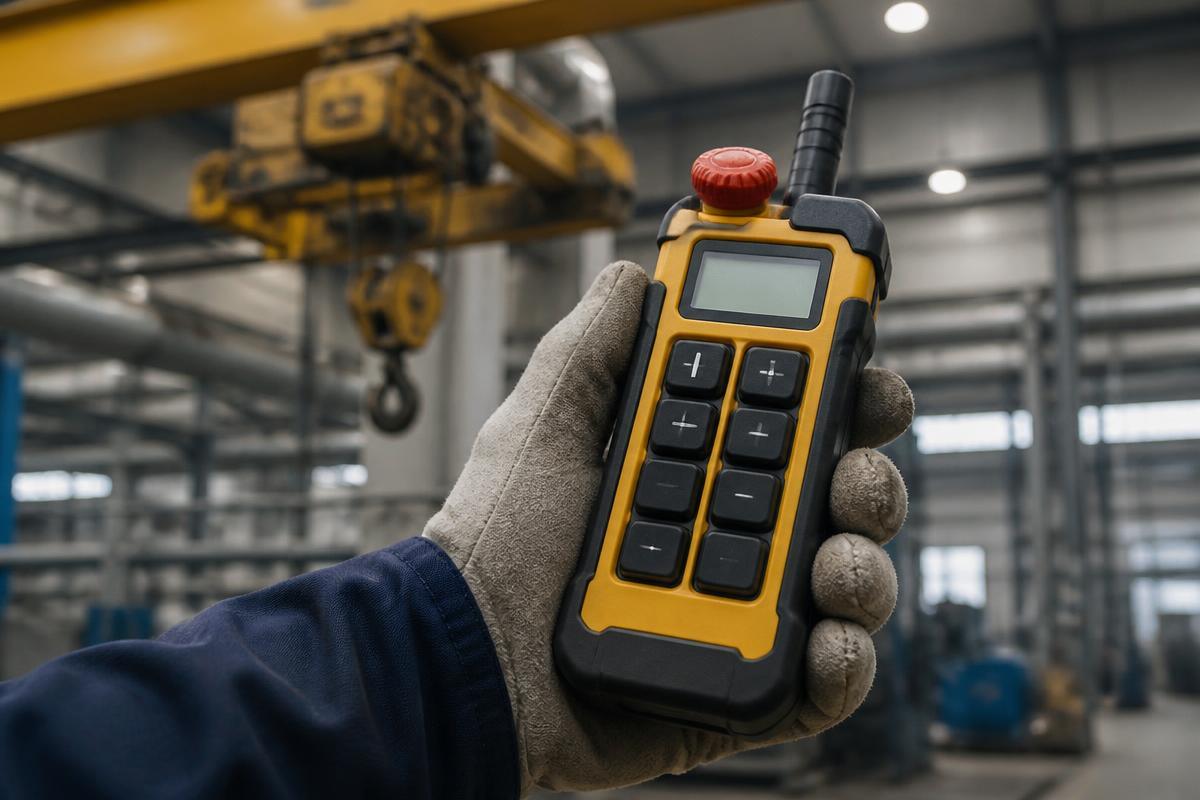
Pistol-grip radio transmitter used to operate an overhead crane

Operator interfaces

Pendant stations, belly-box and pistol-grip radio transmitters, cab consoles and dual-control arrangements, selected for reach, sightlines and duty cycle.

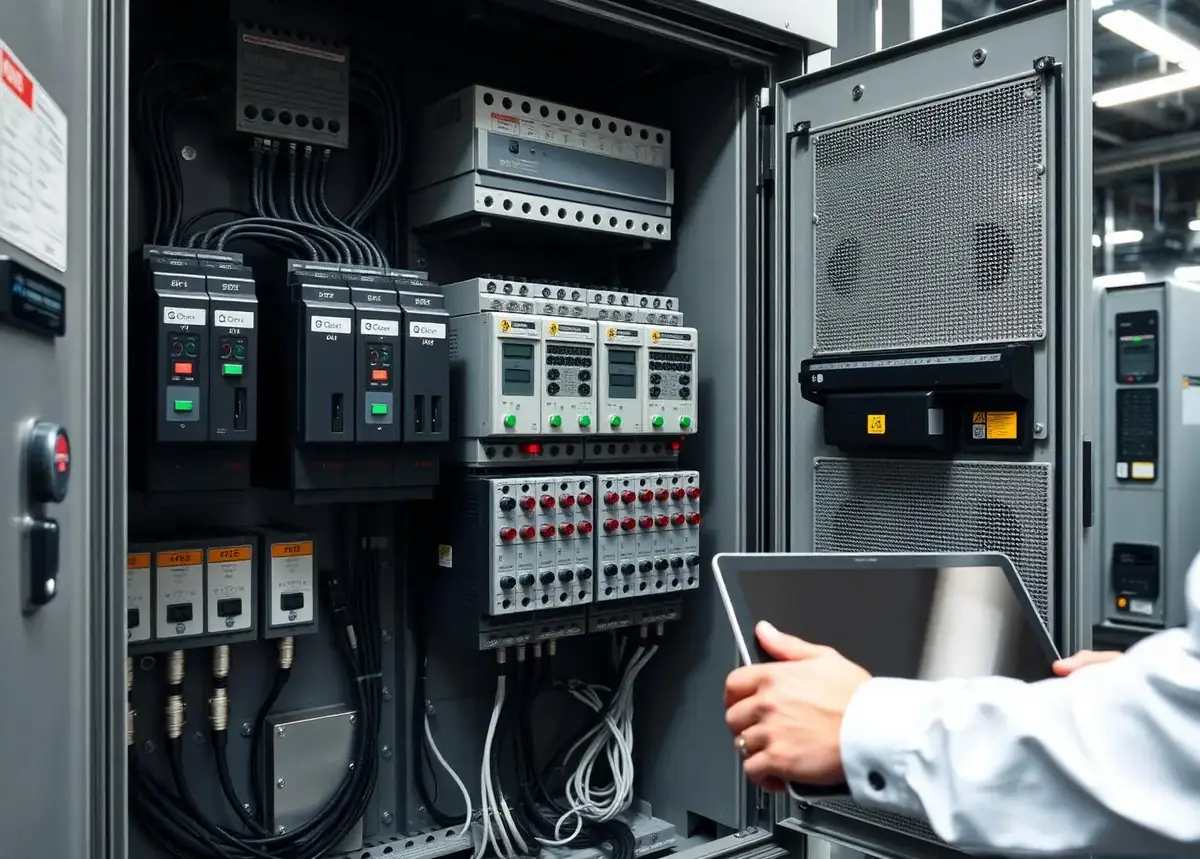
Industrial crane control panel with wiring and enclosure hardware

Control panels and enclosures

Panel builds rated for the environment — washdown, foundry heat, dust, classified areas — with clear terminal marking and English-language drawings for Canadian maintenance teams.

Capabilities

Control features specified most often

  • Anti-sway and load-float control
  • Load display, overload cut-out and load data logging
  • Zoning, no-fly areas and collision avoidance
  • Target positioning and travel limits
  • Tandem and synchronised hoist control
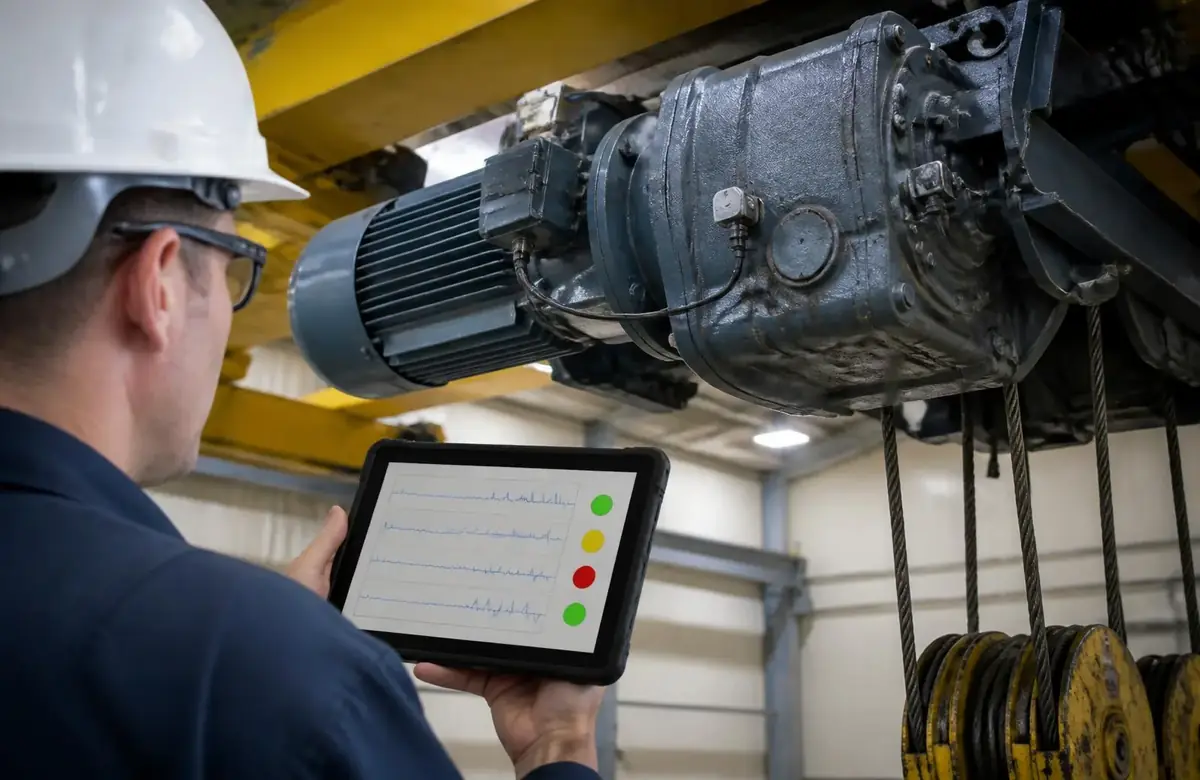
  • Fault diagnostics and remote monitoring
  • Redundant braking and E-stop architecture
  • Micro-speed and inching for precise spotting

Retrofits

Control upgrades on existing cranes

Many Canadian control opportunities involve retrofits to structurally serviceable cranes: a structurally sound crane with tired electricals. These are the five points that decide whether the upgrade lands cleanly.

  • Assess existing structure, hoist, runway and duty before touching the electricals
  • Match drive sizing and duty class to the real production cycle, not the nameplate
  • Specify enclosure rating and cooling to the plant environment
  • Plan certification or field evaluation early, not after the panel lands
  • Provide English drawings, parts lists and commissioning support for local service teams

FAQ

Crane controls: common questions

What is a crane control system?
A crane control system is the combination of drives, contactors or VFDs, control panel, operator interface (pendant or radio transmitter) and safety devices that start, stop, speed-regulate and protect the hoist, trolley and bridge motions of an overhead crane.
Should I use VFD control or contactor control on an overhead crane?
Contactor control is lower cost and suits low-duty cranes with simple two-speed motion. VFD control gives stepless acceleration, reduced load swing, softer stops and far less mechanical wear, and is the standard choice for production duty, precise spotting, tandem lifts and any crane where anti-sway or load-float features are wanted.
Can existing overhead cranes be retrofitted with modern controls?
Yes. A control retrofit replaces the panel, drives and operator interface while keeping the existing structure, hoist and runway. It is the most common way to add variable speed, radio control, load display, limit protection and diagnostics to a crane that is otherwise structurally sound.
What certification do crane controls need in North America?
Electrical equipment must carry a certification mark accepted by the applicable Authority Having Jurisdiction or undergo an appropriate field evaluation or special inspection by an accredited body where permitted. Requirements vary by jurisdiction, and English documentation and correct labelling are normally expected.
Does Arvanta manufacture crane controls?
No. Arvanta Industrial Partners represents manufacturers of crane control equipment in the Canadian market — building distributor and integrator channels, handling technical representation, and guiding compliance and documentation so the product is specified and accepted locally.

Are you a crane-technology manufacturer seeking North American representation?

Arvanta coordinates communication among the customer, channel partner and represented manufacturer. The manufacturer and qualified engineering parties remain responsible for equipment design, capacity, compliance, testing and application approval.

Discuss Representation