
Market Entry · Aftermarket
Parts and Lead Time: The Real Barrier for Imported Crane Products
Most imported crane products do not fail on price or quality. They fail on the parts question.

Arvanta Industrial
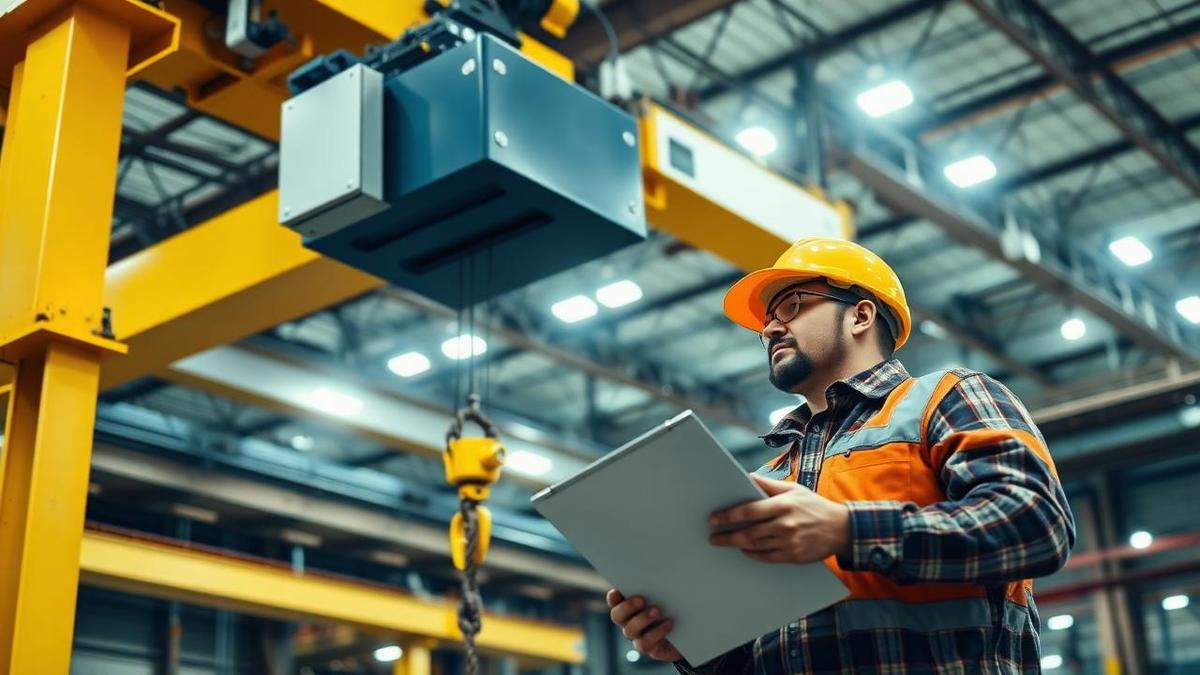
A Canadian plant with a stopped crane is losing production by the hour. The first question any buyer asks about an unfamiliar imported product is what happens when a part is needed.
Where imports lose
- No stock on the continent.
- Ordering through a factory in a distant time zone.
- Customs and freight added to an already long lead time.
What works instead
A modest consignment of common wear parts held with the distributor, a clear ordering path, and one contact who can escalate. It costs little and removes the single largest objection an imported line faces in Canada.
Next step
Take the next step with Arvanta
Whether you manufacture equipment or sell and service it, we start with a short, confidential conversation about product fit, territory and market potential across Canada.
Related insights
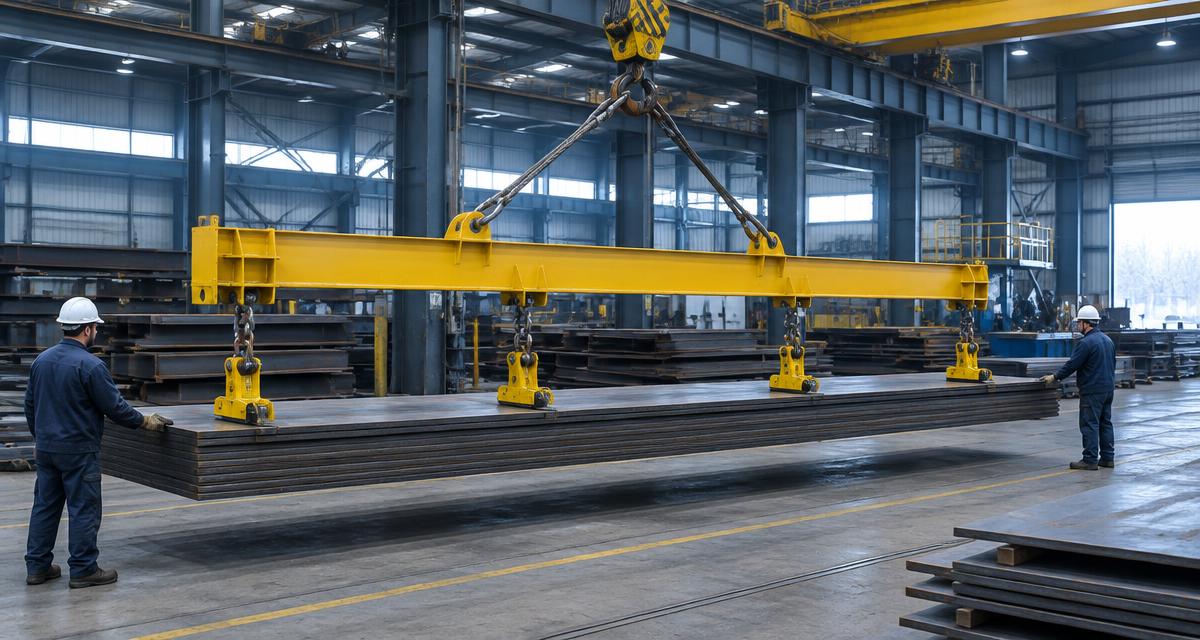
Below-the-Hook
Below-the-Hook Lifting Devices: Choosing the Right Tool for the Load
A practical guide to below-the-hook lifting devices — beams, C-hooks, magnets, vacuum lifters, tongs, manipulators and more — and how to match the device to the load.
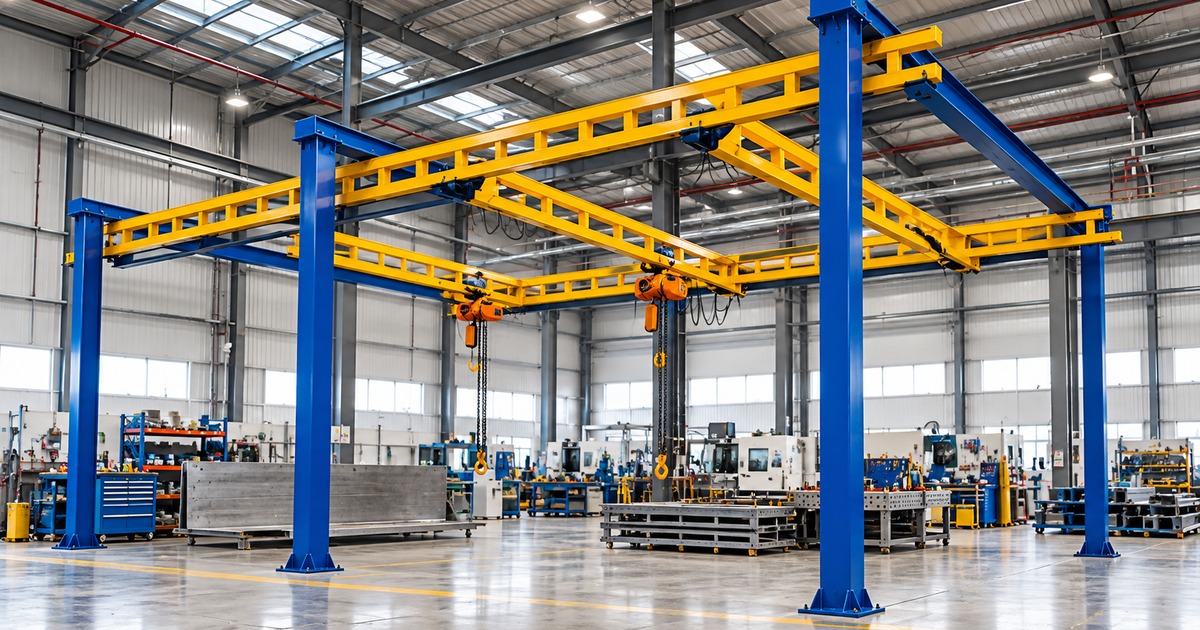
Applications
Workstation Cranes and Jib Cranes: Versatile Material Handling Solutions for the Modern Workplace
How workstation cranes and jib cranes work together to create efficient, ergonomic lifting zones for production, assembly and machining.